
 by
by Okay, so check this out—I’ve been living with hardware wallets for years, and there’s one thing that keeps me up at night: complacency. Really. You can buy the most expensive device, tuck it in a safe, and still mess things up with a single careless step. My instinct said “double-check,” and honestly that’s saved me more than once.
Let me be blunt: private keys are the single point of failure. They’re not magic; they’re a string of data that, if exposed, hands control of your coins to someone else. On the flip side, private keys are the only realistic way to prove ownership in crypto. So we protect them. We sign transactions offline. And when we stake, we weigh rewards against new attack surfaces. Below I share pragmatic, battle-tested practices for each of those three pillars—private keys, signing, and staking—aimed at users who want near-maximal security without becoming a hermit.
Private keys: storage strategies that actually work
Short version: treat seed phrases like cash. Store them like cash, but better.
Start with the basics. Generate seeds only on trusted, air-gapped devices whenever possible. If you initialize a device from its companion app, do it in a clean environment—no unknown USB sticks, no sketchy drivers, please.
For backups, metal is king. Paper burns, rust ruins, and ink fades. A stamped or engraved steel plate survives most disasters. I keep one at home in a fireproof safe and another in a bank safe deposit box—redundancy matters. If you want extra paranoia, use geographic diversification: different cities, different storage types.
Multisig is a powerful upgrade. Instead of one seed controlling everything, split control across several keys. That reduces single-point-of-failure risk and limits damage from a single compromised device. It’s more complex—yes, it’s slower to recover—but the security tradeoff is often worth it for large holdings.
Passphrases (the optional extra word you add to a seed) are useful, but they create a single-user dependency: if you forget it, recovery is impossible. I use passphrases only when I can document recovery hints securely (not in the same place as the seed). Hmm… I know that sounds risky, but done right it’s a powerful layer.
Signing transactions: air-gapped, watch-only, and verification
Signing on-device is non-negotiable. The golden rule: the private key should never leave the device. Period.
Use watch-only wallets on your online machine to prepare and review transactions. That way you can inspect outputs and amounts without exposing your signing keys. Then, sign on an air-gapped device or the hardware wallet itself. For Bitcoin, PSBT (Partially Signed Bitcoin Transactions) workflows are ideal—prepare on the online host, export the PSBT, sign on your offline hardware, re-import the signed PSBT, and broadcast.
Here’s what actually prevents scams: check the address on the device screen. Not the computer screen—your hardware wallet’s tiny display. Scammers can change the address on your computer using clipboard hijackers or malware but they rarely can change what’s shown on the hardware device. If the address on the device doesn’t match what you expect, stop. Seriously—stop.
Firmware updates are a security boundary. Always update from official channels, and verify signatures where supported. That said, don’t blindly update during a high-stakes operation; schedule updates, read release notes, and understand the change. Supply-chain attacks are rare but real; verifying images and using known-good sources reduces risk.
One more nitpick: test small. Always send a small test amount when interacting with a new address or contract. It’s dull, but it prevents somethin’ really painful from happening.
Staking: rewards come with new risks
Staking sounds great: earn yield while supporting network security. But it introduces new threat vectors—slashing, lockups, and smart-contract risk.
On-chain staking with a validator: if you run your own node, you must secure validator keys offline and maintain a secure signing process. Many operators use an HSM or air-gapped signing node combined with watch-only monitoring. Running a validator is operationally intensive; if you’re not ready, delegated staking with a reputable node is simpler.
Custodial staking is convenient but shifts trust. You’re trusting the service to custody funds and not mismanage them. For some people that tradeoff is acceptable—I’m biased, but I prefer non-custodial solutions for long-term holdings.
If you stake via smart contracts (liquid staking), beware of contract bugs and protocol upgrades. Do your homework: read audits, check who controls upgrade keys, and stagger your exposure. Diversify across validators or protocols if staking a meaningful portion of your portfolio.
Operationally: keep validator signing keys isolated, rotate or revoke keys if you suspect compromise, and have a recovery playbook. Practice the recovery—don’t assume you’ll remember the steps in a crisis.
Practical checklist — do this before you move real funds
– Generate and record your seed phrase offline. Use metal backups for long-term storage.
– Configure PIN and passphrase according to a plan you can execute under stress.
– Set up a watch-only wallet for transaction review.
– Test PSBT or offline signing with tiny amounts first.
– Use multisig for large holdings.
– When staking: understand slashing, lockup, and contract risk; prefer reputable validators; diversify.
Also—document your recovery plan clearly and store that documentation separately from the seed. If you leave crypto to heirs someday, the worst failures come from good intentions plus no accessible instructions.
Tools and integrations
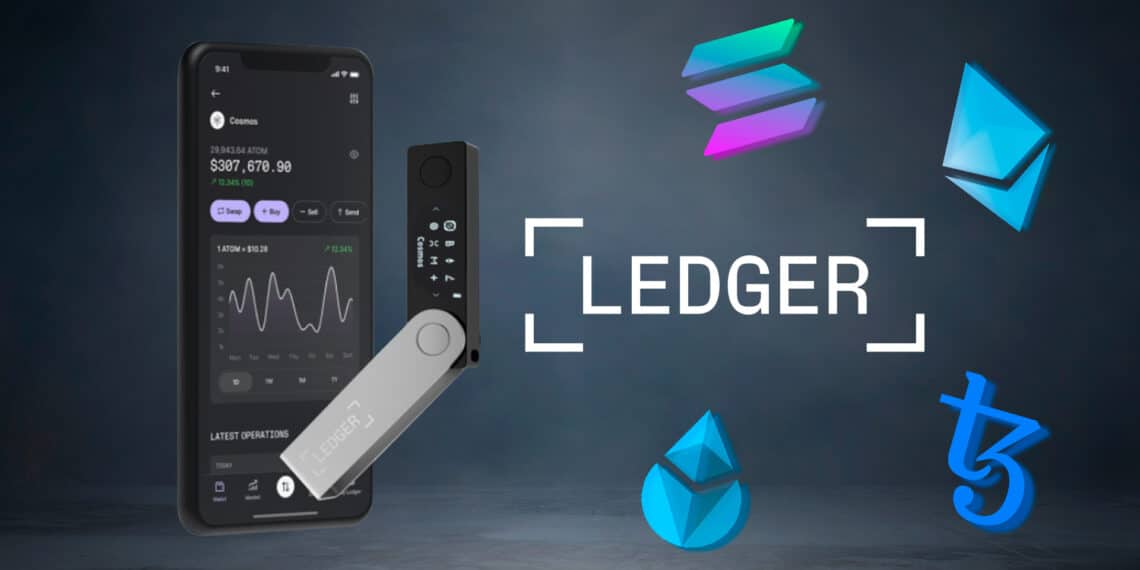
Hardware wallets shine when paired with robust software that respects offline signing. For an integrated experience with hardware devices, I often recommend official client apps and known third-party wallet software that supports PSBT and multisig workflows. For one example of a companion app, check out ledger as an interface many users pair with their device—use it for firmware, account management, and transaction flow, but always verify on-device.
FAQ
Q: Is a hardware wallet enough by itself?
A: Not really. A hardware wallet is a crucial layer, but you still need secure backups, good operational habits, and an understanding of the signing flow. If your seed is exposed, the device won’t save you. If your device is lost, a secure backup will.
Q: Should I use a passphrase?
A: Only if you can manage it reliably. Passphrases add strong protection against someone who finds your seed, but they introduce single-person knowledge risk. If you choose passphrases, have a secure, separate system for recovery hints and never store the passphrase with the seed.
Q: How do I stake without risking everything?
A: Diversify: use multiple validators, avoid putting all funds into one protocol, and understand the rules about unstaking unlock periods and slashing. If you’re unsure, delegate modest amounts while you learn.
Look—there’s no zero-risk option, and yeah, some parts of this are tedious. But the payoff is real: peace of mind and control. I’ve lost sleep over somethin’ dumb before; after tightening these practices, I sleep better. Maybe you will too. Keep thinking, test often, and trust the device—just not your memory alone.
